Category: Bread History
-
Why Easter Is a Bread Holiday
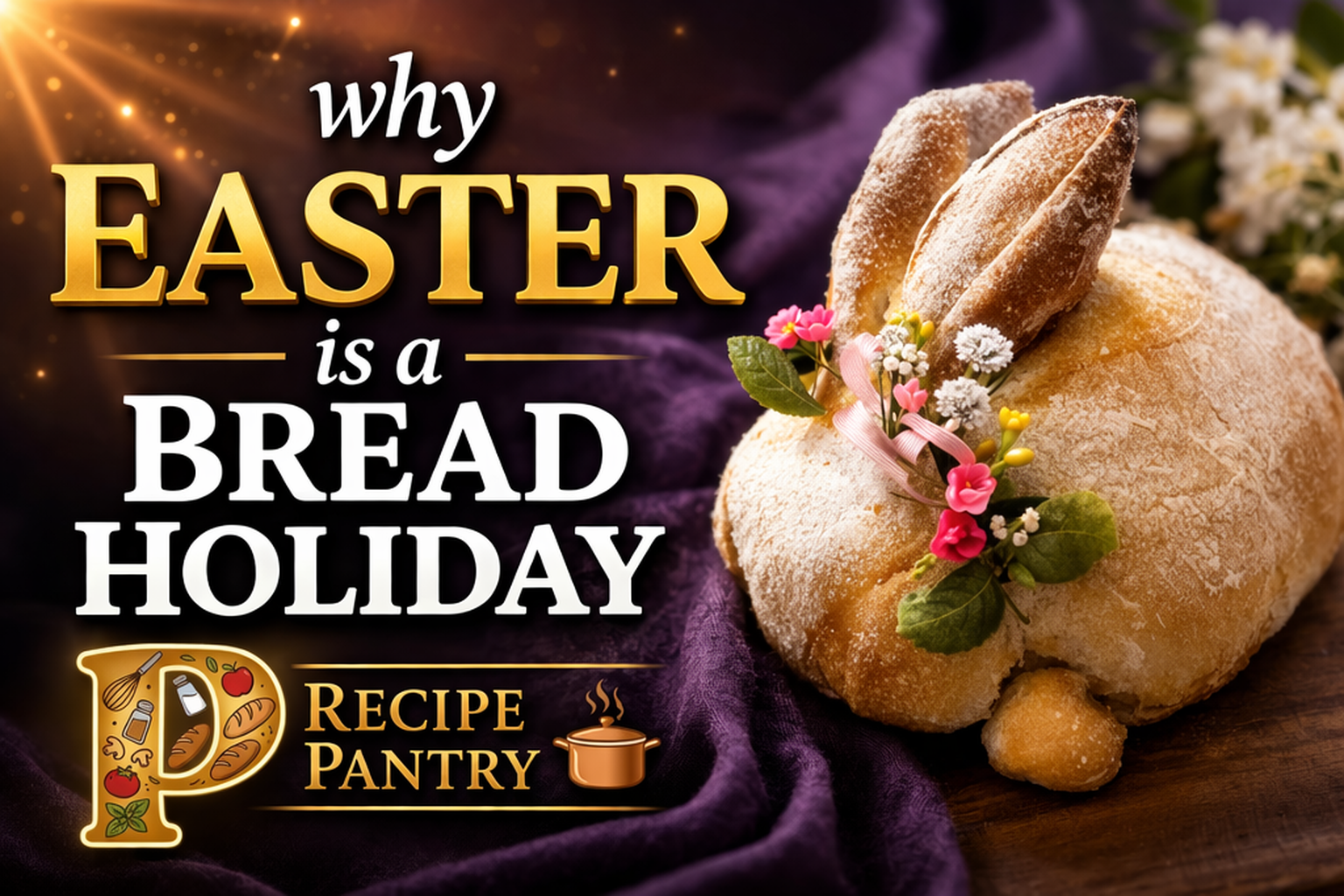
From Paska and tsoureki to hot cross buns and Colomba, Easter is a bread holiday. Here’s how cultures preach with dough and how to bake yours.
-
Hot Cross Buns at Home: History, Science, and Two Recipes You’ll Actually Love
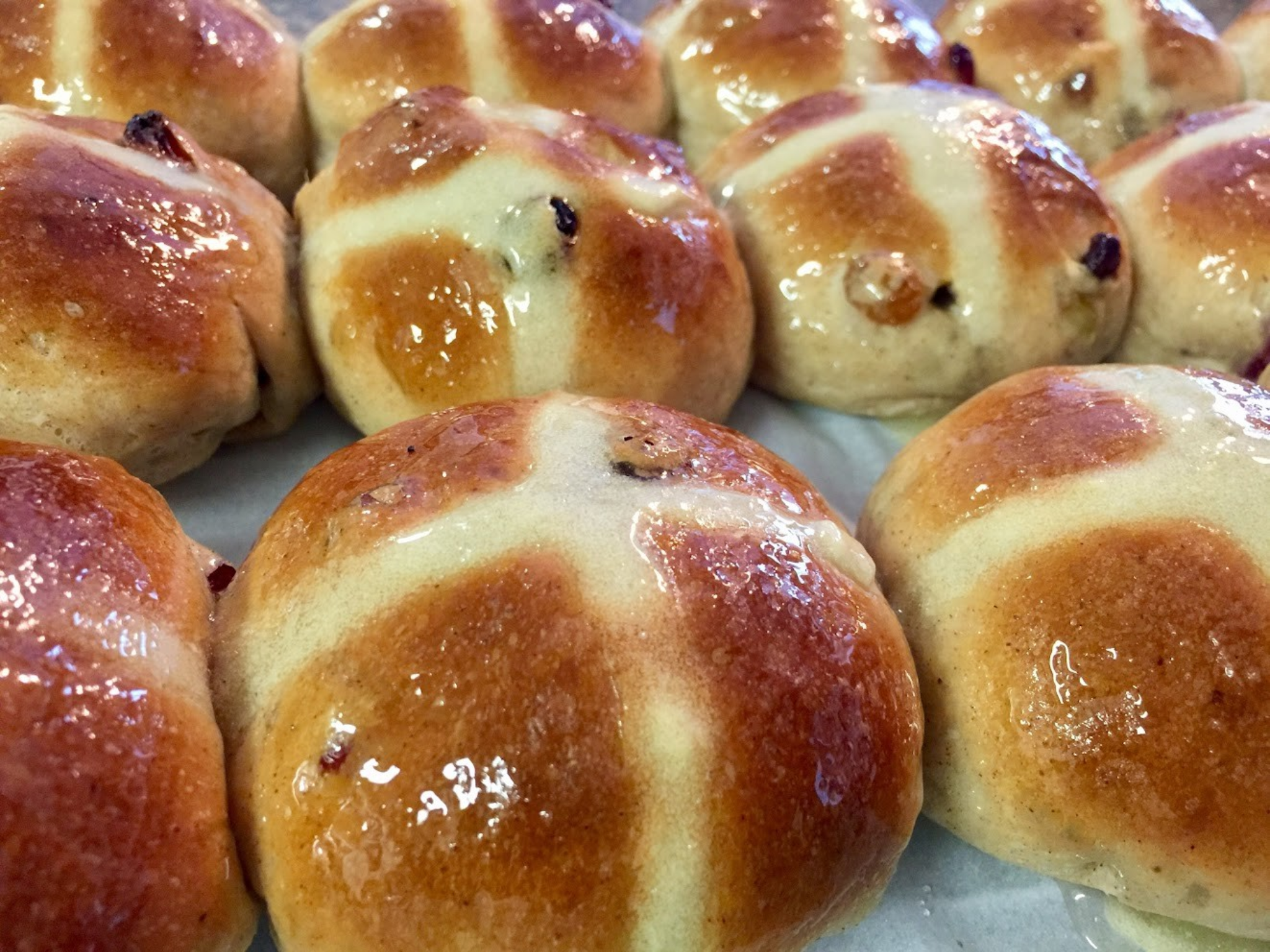
Make hot cross buns at home with our tangzhong method, both yeasted and sourdough. Plus the fascinating history behind the cross.
-
Henry’s Traditional Christmas Stollën
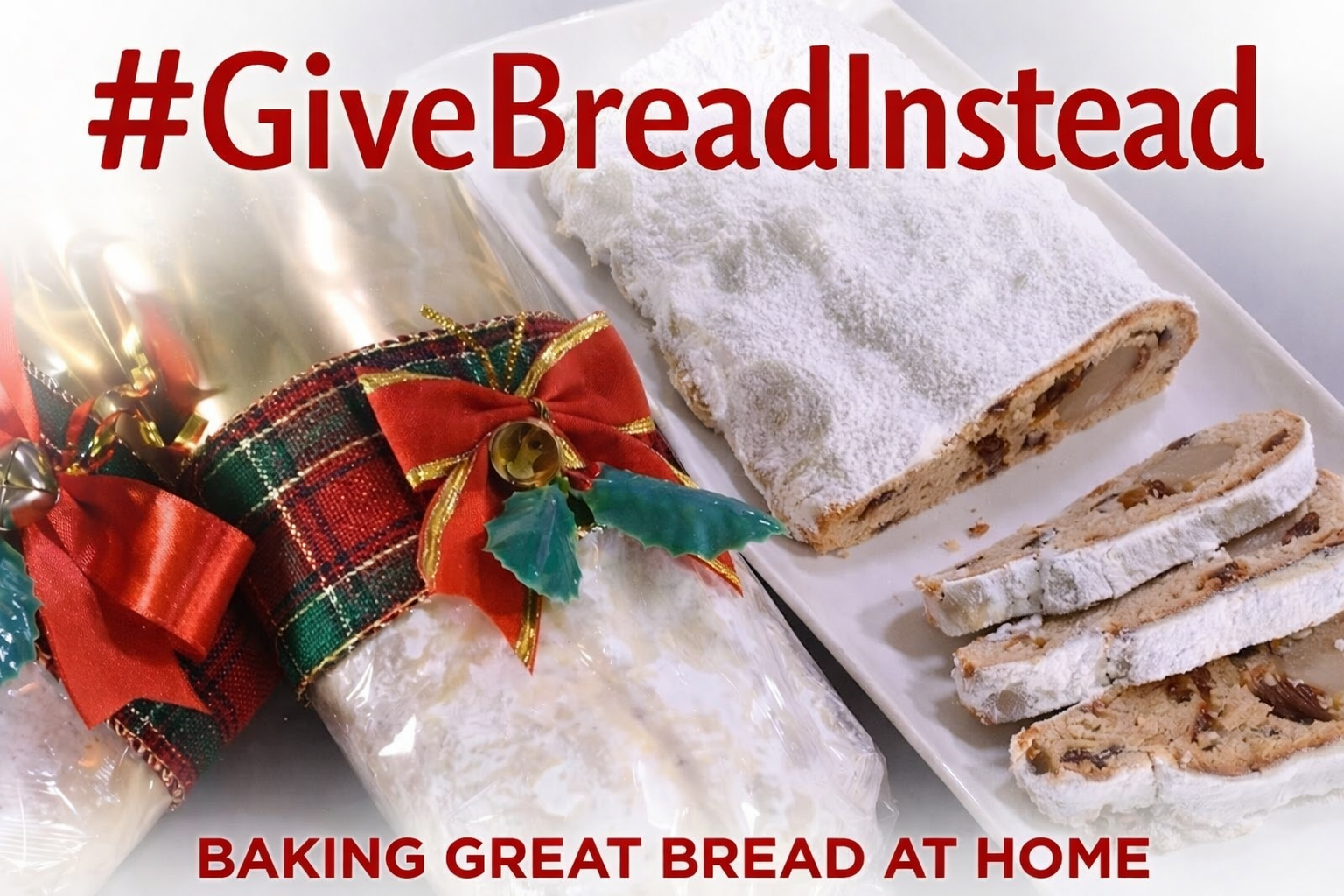
This traditional Christmas stollen is more than a holiday bread. It’s a memory carried home from a small German bakery, where I learned the craft from Mr. Sherman while stationed overseas. Rich with fruit, spice, and patience, this is a bread meant to be made ahead, wrapped, rested, and shared…
-
Henry’s Pistachio Babka Twists

These Pistachio Babka Twists are soft, rich, and buttery with deep pistachio flavor in every bite. Baked in muffin tins for even color and shape, they’re part babka, part sweet roll — the kind of late-night bake that quiets your mind and fills the kitchen with warmth. Coarse-ground pistachios bring…
-
The Loaf and the Lie

What if the bread we grew up eating wasn’t really bread at all? The Loaf and the Lie is a 27-page story about what we gave up, how it happened, and why so many of us are just now beginning to question it. Read the full flipbook or download the…
-
Ancient Grain Flour Baking

“Explore the world of ancient grain flours like einkorn and spelt in this comprehensive baker’s guide. Learn about their unique nutritional profiles, how they differ from modern wheat, and get started with simple recipes that showcase their distinctive flavors and baking properties.”
-
Vietnamese Bánh Mì Baguette

Learn how to make authentic Vietnamese bánh mì baguettes at home—crisp on the outside, airy inside, and perfect for stuffing with your favorite fillings. A true street food classic, made from scratch.
-
Traditional Hot Cross Buns Recipe for Easter ✝️

Few breads hold the seasonal charm and nostalgic pull of hot cross buns. Soft, lightly spiced, and dotted with raisins or currants, these iconic buns are finished with the unmistakable white cross — a symbol of tradition and celebration. Whether you bake them for Easter, a Sunday brunch, or simply…
-
Sourdough Starter Guide

“Ready to elevate your bread game? With just flour, water, and patience, you can create a powerful sourdough starter right in your own kitchen. This guide strips away the fluff, giving you straightforward steps to build a healthy starter that will bring your bread to life with incredible flavor and…
-
🍞 To Salt or Not to Salt:

The Great Sourdough Debate 🧂🥖 By: Henry Hunter Baking Great Bread at HomeJune 30, 2023 Introduction: One of the key decisions in sourdough baking is when to incorporate salt into your dough. Should it be added from the beginning or after the autolyse stage? In this blog post, we explore…
-
Unveiling the Sacred Tradition of Challah:

One intriguing aspect of Challah-making is the custom of “taking challah.” This tradition involves separating a small piece of the dough, known as the “challah portion,” and setting it aside as a symbolic offering. This practice originated from biblical times and serves as a reminder of the commandment to give…
-
The Great Hooch Debate:

To Stir In or Pour Off Your Sourdough Starter Hooch🥖🤔 Hello Bread Lovers, 🥖❤️ One of the most captivating aspects of bread making, especially when it comes to sourdough, is the array of discussions it ignites within our community. Today, let’s unravel one of the most hotly contested topics: what…
-
“BREAD SCORING THROUGH THE AGES: A JOURNEY ACROSS CULTURES AND TIME”
By: Henry Hunter, Baking Great Bread at Home Bread scoring is an essential technique in the art of bread baking. It involves making shallow cuts on the surface of the bread dough just before baking, allowing the bread to expand and release steam as it bakes. The scoring also gives…
-
Title: “Sourdough: A 6,000-Year Journey of Bread Baking That Continues to Rise Today”

Sourdough’s story starts around 4,000 BC, likely in the Fertile Crescent of the Middle East. The earliest breadmakers discovered that leaving their dough mixture of grain and water out for a while led to naturally occurring yeasts and bacteria, resulting in a lively dough and an exceptional loaf.
