
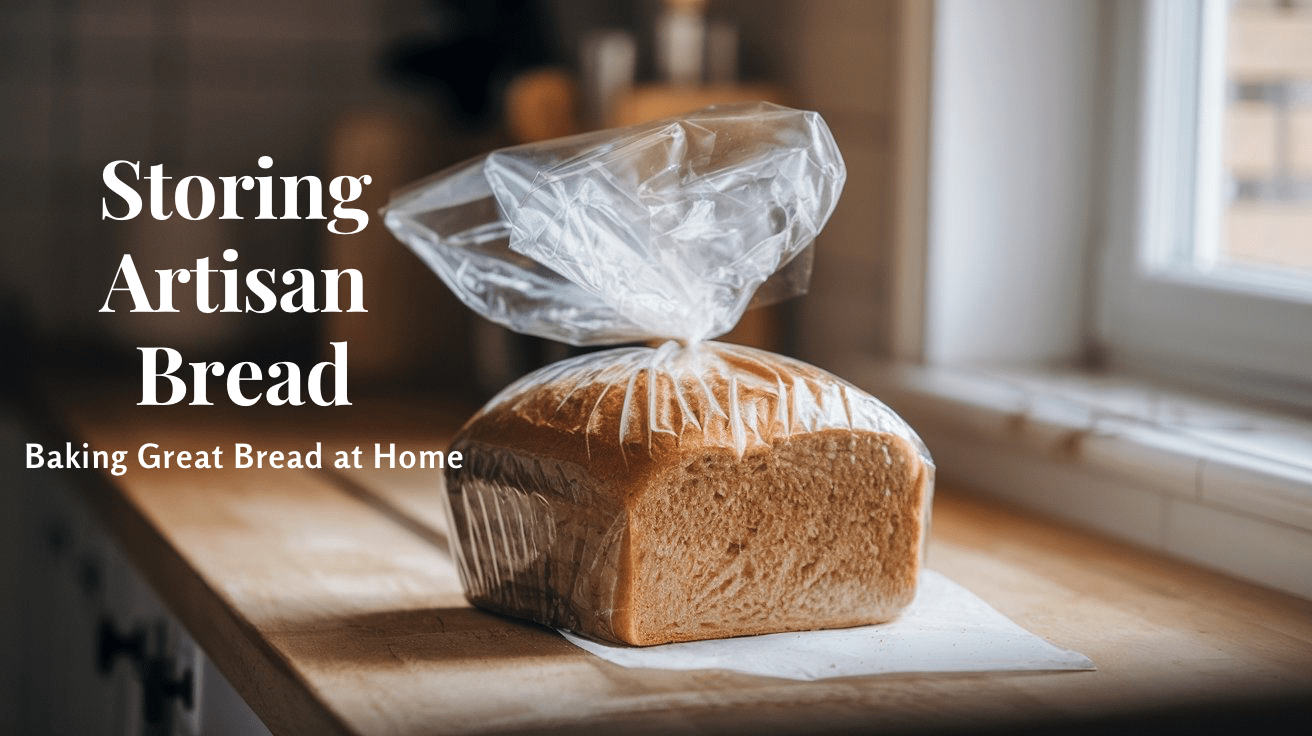
Have you ever bought a beautiful loaf of bread, only to find it stale or moldy just a few days later? Proper bread storage is both an art and a science, and mastering it can help you enjoy fresh, delicious bread for longer. In this post, we’ll explore the best practices for storing different types of bread, debunk some common myths, and share expert tips to keep your bread at its best.

Understanding Different Types of Bread
Not all breads are created equal, and neither are their storage needs. Let’s break it down:
- Crusty Artisan Breads: These hearty loaves with a crisp crust and chewy interior need special care to maintain their texture.
- Soft Sandwich Loaves: Your typical store-bought sandwich bread requires different storage methods to stay soft and fresh.
- Homemade vs. Store-Bought: Homemade bread often lacks preservatives, meaning it may require more careful storage.
The Enemy of Fresh Bread: Moisture and Mold
Moisture is a double-edged sword when it comes to bread. While it’s essential for that perfect chewy texture, too much moisture can lead to mold growth. Here’s what you need to know:
- Moisture Control: Balancing the right amount of moisture is key to maintaining freshness without promoting mold.
- Mold Warning Signs: Learn to spot the early signs of mold so you know when it’s time to say goodbye to your loaf.

The Great Refrigeration Debate
Should you refrigerate your bread? This hotly debated topic has some clear answers:
- Pros of Refrigeration: It can slow mold growth in humid environments.
- Cons of Refrigeration: It can speed up staling for many types of bread.
- When to Refrigerate: Some breads, like those with perishable ingredients, benefit from refrigeration.
Best Practices for Room Temperature Storage
For most breads, room temperature storage is ideal. Here’s how to do it right:
- Choose the Right Container: Bread boxes, ceramic containers, or even paper bags can work well.
- The Bread Box Renaissance: Find out if this old-school method is worth the investment.
- Paper vs. Plastic: Learn which is better for your bread and why.
Freezing Bread: Your Secret Weapon
Freezing is a great way to extend your bread’s life significantly. Here’s how to do it effectively:
- Preparation is Key: Learn how to prepare your bread for freezing to maintain quality.
- Thawing Methods: Discover the best ways to thaw frozen bread without compromising texture.
- Using Frozen Bread: Tips for making the most of your frozen loaves.

Conclusion: Your Bread, Your Way
Ultimately, the best storage method depends on your bread type, climate, and how quickly you plan to consume it. By understanding these principles, you can keep your bread fresher for longer, reducing waste and ensuring every slice is as delicious as the first.
Remember, great bread is a joy to eat, and with these storage tips, you can extend that joy for days to come. Happy bread storing!


Leave a Reply