
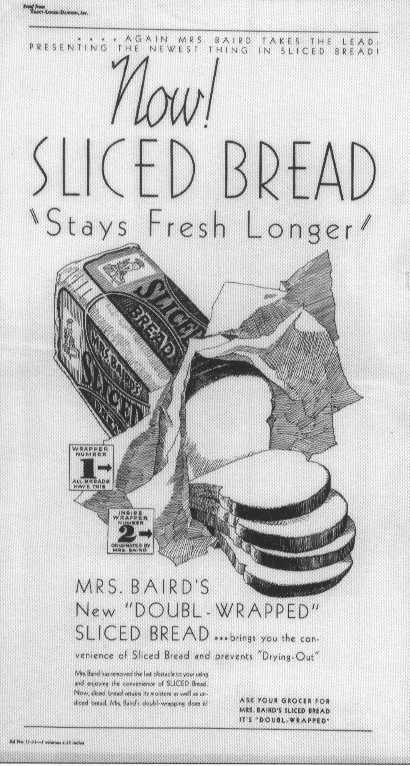
A Slice of American History”
In the heart of the 20th century, a quiet yet profound revolution was unfolding in American kitchens. It was an era marked by a quest for convenience, a time when the nation was rapidly modernizing and looking towards a future filled with innovation and ease. At the center of this culinary transformation was a seemingly humble product – a type of bread that would come to redefine the American diet and become an icon of the nation’s ingenuity.

This story begins in the bustling post-war era, a time of optimism and rebuilding. American families were on the lookout for food that was not only convenient but also nourishing. The challenge, however, was that the most common bread of the time – whole wheat – had its own limitations. It was nutritious, certainly, but its shelf life was short, and its texture often left much to be desired in the soft, tender palates of the American public.

Enter the innovation: a revolutionary bread-making process that removed the bran and the germ from the wheat, leaving behind the endosperm. This resulted in a product that was exceptionally soft and white, a stark contrast to the coarser, denser whole wheat varieties. It sliced like a dream and had a longer shelf life, fitting perfectly into the fast-paced American lifestyle. But there was a catch. In its newfound form, this bread lacked essential nutrients.

At the same time, the nation was grappling with a health campaign. The government was determined to fortify Americans’ health, similar to how vitamin D was being added to milk to strengthen bones and bodies. This public health initiative became a beacon of hope for the bread industry. The company behind this white bread innovation saw an opportunity and embarked on negotiations with the Food and Drug Administration (FDA). The result was a groundbreaking move: the fortification of bread with essential vitamins and minerals.

This addition transformed the bread from a mere convenience into a source of nutrition. It was now not just soft and palatable but also carried the promise of health. The company launched a powerful marketing campaign to drive this point home. “Our bread is nutritious,” they declared, and the American public listened, intrigued and captivated.
The bread quickly became a staple in households across the nation. Its popularity soared, and it was celebrated as the best thing since, well, sliced bread. It represented a new era in food manufacturing – one that balanced convenience with nutrition, a harmony that resonated with the American spirit.

This bread, ladies and gentlemen, was none other than Wonderbread, a name that would become synonymous with American ingenuity and the spirit of progress. In their hands lay not just a product but a symbol of an era – an era that believed in the power of innovation to transform the mundane into the extraordinary.
As Paul Harvey would say,
“And now you know the rest of the story.”

Leave a Reply