
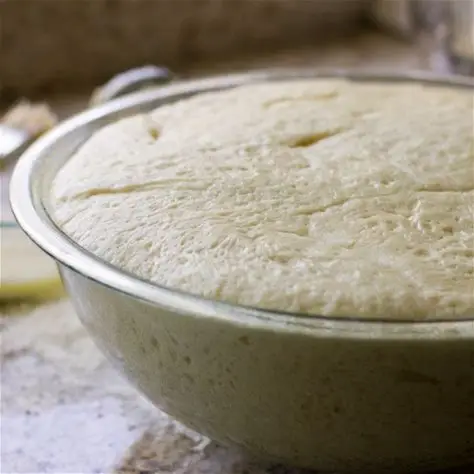
If your home is colder than usual during winter and your dough just isn’t rising the way it should, I get it. I’ve been there too. You try everything—oven lights, extra blankets—but sometimes the dough just doesn’t cooperate. Don’t worry—I’ve got some tips to help you work with yeasted dough, sourdough, and even your starter when the temperature’s not in your favor.

Why Colder Temps Are Tough on Dough ❄️
Bread dough is all about fermentation—whether it’s yeast or sourdough cultures. In the winter, when your home is colder, the fermentation slows way down, and your dough may barely rise. Ideally, dough loves temperatures around 75°F to 82°F (24°C to 28°C), but there are ways to make things work even in a chilly kitchen.
How to Help Yeasted Dough Rise
From personal experience, yeasted dough is more forgiving than sourdough, but it still struggles in the cold. Here’s what works:
1. Use Warm Water to Start 🚿
- Mix your dough with warm water, around 100°F (38°C), to give the yeast a head start. Don’t go over 110°F—it can kill the yeast.
2. Try a DIY Proofing Box 📦
- A trick I’ve used: put your bowl of dough in the microwave (off!) with a cup of hot water. The steam creates a warm, humid environment that yeast loves.
3. Use a Heating Pad or Warm Towel 🔥
- Place your dough on top of a low-heat heating pad or wrap the bowl in a warm, damp towel. This has saved a few loaves for me!
4. The Top of Your Fridge or Cabinets 📏
- The top of the fridge or a high cabinet is often a few degrees warmer. It’s not perfect, but it can help if you’re out of other options.

How to Get Sourdough to Rise in Winter 🥖
Sourdough is a little trickier because it thrives on a slower fermentation process. But here are some things I’ve done that work well:
1. Give It More Time 🕒
- During winter, sourdough often takes twice as long to ferment. Be patient—it might need to rise overnight or even longer.
2. Make an Insulated Chamber
- I’ve put my dough in a cooler or insulated box with a hot water bottle or a jar of hot water. It’s a game-changer for keeping your dough warm and happy.
3. Adjust the Hydration 💧
- Cold dough doesn’t develop gluten as well. If it’s sluggish, lower your hydration by 5-10%—just a small adjustment can make handling and fermentation easier.
Keeping Your Sourdough Starter Active in Winter 🌡️
Your starter is the engine of sourdough baking, so keeping it active in the winter is key.

1. Move It to a Warmer Spot
- I keep my starter near the back of the stove or next to a radiator. Consistency is everything.
2. Feed It More Aggressively 🍞
- In colder weather, I increase the feeding ratio. For example, instead of 1:1:1 (starter, water, flour), try 1:2:2 to give it a boost.
3. Use Warm Water for Feeding 🔥
- When I mix my starter, I use water at 85°F to 90°F (29°C to 32°C). It warms up the whole culture and gets things moving.
What Could Be Going Wrong?
If your bread is turning out dense or flat, here’s what might be happening:
- Underproofing: If your dough hasn’t risen enough before baking, it won’t have the strength to rise in the oven.
- Inactive Yeast or Starter: Cold temps can make your yeast sluggish or cause your starter to stall.
- Weak Gluten Structure: Slow fermentation can weaken gluten development, leading to poor oven spring.
Tools and Tricks I’ve Used That Help 🛠️
- A Folding Proofer: The Brød & Taylor Proofer is amazing for creating a controlled environment. It’s pricey, but worth it if you bake often.
- A Sourdough Home: Also from Brød & Taylor, the Sourdough Home is another fantastic option. It’s a compact, temperature-controlled unit that makes maintaining your starter or proofing dough effortless in the winter.
- A Dutch Oven: A preheated Dutch oven traps heat and steam, helping even underproved dough rise better.
- A Heating Pad: I’ve used this under my dough bowl on cold winter days, and it’s been a lifesaver.


Final Thoughts: Be Patient and Experiment 💪
Winter baking is tricky, but it’s also a great time to experiment and slow down. Colder fermentation can develop deeper flavors, so embrace the extra time. Try one or two of these tips, and let me know how they work for you.
Have any other winter baking tips? Drop them in the comments—I’d love to hear what’s working for you!
If you’re serious about winter baking, here are some tools I’ve personally found helpful:
This blog is the property of Baking Great Bread at Home.
Advertisement
🎉 Ready to Take Your Sourdough to the Next Level?
If you’re struggling with sourdough in the winter or just want to deepen your bread-baking skills, my book, Vitale Sourdough Mastery, is exactly what you need. 🌟
What Makes This Book Special?
This 5-star guide (only $10 on Amazon!) walks you through everything:
- Choosing the best flour 🥖
- Perfecting your starter 🧪
- Exploring global sourdough techniques 🌍
- Plus, practical tips, tried-and-true methods, and a rich collection of recipes.
Whether you’re a beginner or an experienced baker, this book has something for everyone.

📖 Grab Your Copy Today!
Don’t just take my word for it—check out the glowing reviews and join the growing number of bakers who have mastered the art of sourdough at home.
👉 Get it here: Vitale Sourdough Mastery on Amazon
Let’s bake better bread, together! 🥯
